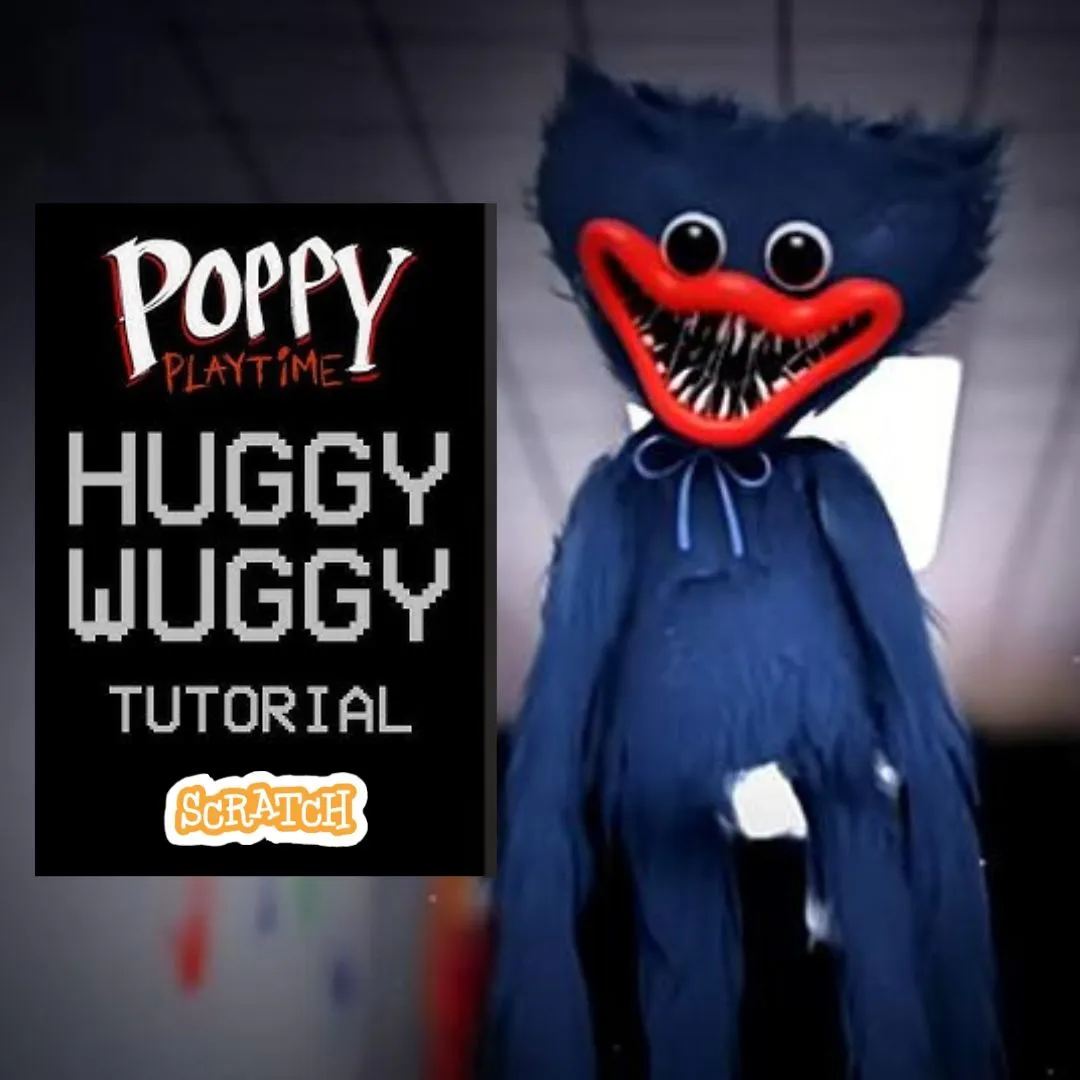

Have you ever played a spooky adventure game and wondered how it was made? Games inspired by mysterious characters and thrilling environments are incredibly popular among kids today. That is why creating your own Poppy Playtime Huggy Wuggy Game in Scratch is such an exciting project. It combines creativity, storytelling, and coding into one fun experience where kids can build something they truly enjoy.
In this detailed guide, you will learn step by step how to design, code, and customize your own Scratch game inspired by Huggy Wuggy. This project is perfect for beginners and helps kids develop real programming skills while having fun.
Why a Poppy Playtime Huggy Wuggy Game Is Perfect for Beginners
A Poppy Playtime Huggy Wuggy Game is a great starting point for young coders because it includes movement, interaction, suspense, and simple game logic. These elements are easy to understand but powerful enough to teach essential programming concepts.
Kids are naturally drawn to storytelling and challenges. This type of game allows them to create a spooky environment, design characters, and build exciting gameplay mechanics. Instead of just learning theory, they actively apply coding skills in a creative way.
Here is why this project works so well:
| Feature | Skill Learned |
| Character movement | Coordinates and control |
| Enemy chasing | Logic and conditions |
| Collision detection | Sensing blocks |
| Game objectives | Event handling |
This makes it one of the most engaging beginner coding games.
What Kids Learn From a Poppy Playtime Huggy Wuggy Game
When building a Poppy Playtime Huggy Wuggy Game, kids learn much more than just moving sprites. They develop logical thinking, problem solving skills, and creativity.
They learn how to respond to user input, control animations, and trigger events. For example, they can program Huggy Wuggy to chase the player or create a rule where the game ends if the player gets caught.
These concepts are the foundation of game development and are used in advanced programming as well.
Planning Your Poppy Playtime Huggy Wuggy Game
Before jumping into coding, it is important to plan your game. A clear plan helps make the project smoother and more enjoyable.
Kids should think about:
What the game setting will look like
How the player will escape or survive
What role Huggy Wuggy will play
What challenges the player will face
Planning helps transform a simple idea into a structured Poppy Playtime Huggy Wuggy Game that feels complete and exciting.
Setting Up Your Scratch Project
Open Scratch and create a new project. Choose a main player sprite and design a background that matches the theme. It could be a factory, maze, or dark hallway.
Kids can either draw their own characters or use Scratch library assets. This step allows them to personalize their game and feel more connected to the project.
This stage is similar to other fun coding projects like Backrooms escape games or circus adventure games, where creativity plays a big role.
Adding Player Movement in a Poppy Playtime Huggy Wuggy Game
Movement is the foundation of gameplay. The player should be able to move around easily using arrow keys.
Here is a simple script:
when green flag clicked
forever
if key right arrow pressed then
change x by 5
if key left arrow pressed then
change x by -5
if key up arrow pressed then
change y by 5
if key down arrow pressed then
change y by -5
This allows smooth navigation through the game environment.
Creating Huggy Wuggy Enemy Movement
The most exciting part of a Poppy Playtime Huggy Wuggy Game is the enemy character. Huggy Wuggy can be programmed to follow or chase the player.
Example:
forever
point towards player
move 2 steps
This creates a chasing effect that makes the game thrilling and interactive.
Adding Collision Detection
Collision detection determines what happens when the player meets Huggy Wuggy.
if touching Huggy then
say “Game Over” for 2 seconds
stop all
This introduces game rules and consequences.
Creating an Escape Goal
Every game needs a goal. In this case, the player must reach a safe zone or exit.
if touching exit then
say “You Escaped!” for 2 seconds
This gives players a clear objective and purpose.
Adding Obstacles and Challenges
To make the game more exciting, kids can add obstacles such as locked doors, moving barriers, or puzzles.
Example:
forever
move 3 steps
if on edge bounce
These features increase difficulty and make the Poppy Playtime Huggy Wuggy Game more engaging.
Adding Sound Effects for a Spooky Feel
Sound plays a huge role in creating atmosphere. Kids can add background music or scary sounds to enhance the experience.
play sound “spooky”
This transforms a simple game into an immersive adventure.
Designing Levels for More Fun
Once the basic game is ready, kids can create multiple levels. Each level can introduce new challenges or increase difficulty.
For example:
Level one with simple navigation
Level two with faster enemies
Level three with puzzles
Levels keep players engaged and improve the overall gameplay experience.
Making Your Game Unique
Encourage kids to add their own ideas. They can create special abilities, hidden paths, or bonus items.
Every Poppy Playtime Huggy Wuggy Game should reflect the creator’s imagination. This makes coding more fun and meaningful.
Connecting This Project to Other Coding Ideas
This project connects well with other beginner coding games like:
Backrooms escape challenges
Circus adventure games
Platformer style games
Exploring different projects helps kids expand their skills and stay motivated.
Why Project Based Learning Works Best
Project based learning is one of the most effective ways for kids to learn coding. Instead of memorizing concepts, they apply them in real projects.
Building a Poppy Playtime Huggy Wuggy Game keeps kids engaged and helps them understand how coding works in real life.
From Scratch to Advanced Coding
After mastering Scratch, kids can move on to advanced programming languages like Python. The skills they learn here will make that transition easier.
Courses like AI Hybrid and Algorithm Avengers provide the next step in their learning journey.
The foundation built through a Poppy Playtime Huggy Wuggy Game prepares kids for future success.
Start Your Coding Journey with JuniorCoderz
If your child enjoys building creative games like this, JuniorCoderz is the perfect place to continue learning. Students explore Scratch programming, AI tools, and advanced coding concepts through hands-on projects that make learning exciting and meaningful.
Visit Junior Coderz to book coding classes, enroll in workshops, and explore advanced programs. JuniorCoderz helps kids turn creativity into real skills while building confidence and problem solving abilities.
Conclusion
Creating a game inspired by Huggy Wuggy is one of the most exciting ways for kids to learn coding. A Poppy Playtime Huggy Wuggy Game combines storytelling, creativity, and programming into one fun experience.
For parents, this project shows how coding can be both educational and engaging. Kids are not just playing games. They are building them. With the right guidance from JuniorCoderz, children can develop valuable skills, explore their creativity, and begin their journey into the world of programming.
FAQs
What is a Poppy Playtime Huggy Wuggy Game
It is a Scratch game inspired by a character that chases the player in a spooky environment.
Is this project beginner friendly
Yes, Scratch makes it easy for beginners to create this type of game.
What skills do kids learn
Kids learn coding basics, logic, and creativity.
Can the game be made more advanced
Yes, kids can add levels, puzzles, and new features.
What comes after Scratch
Kids can move on to Python and advanced programming.