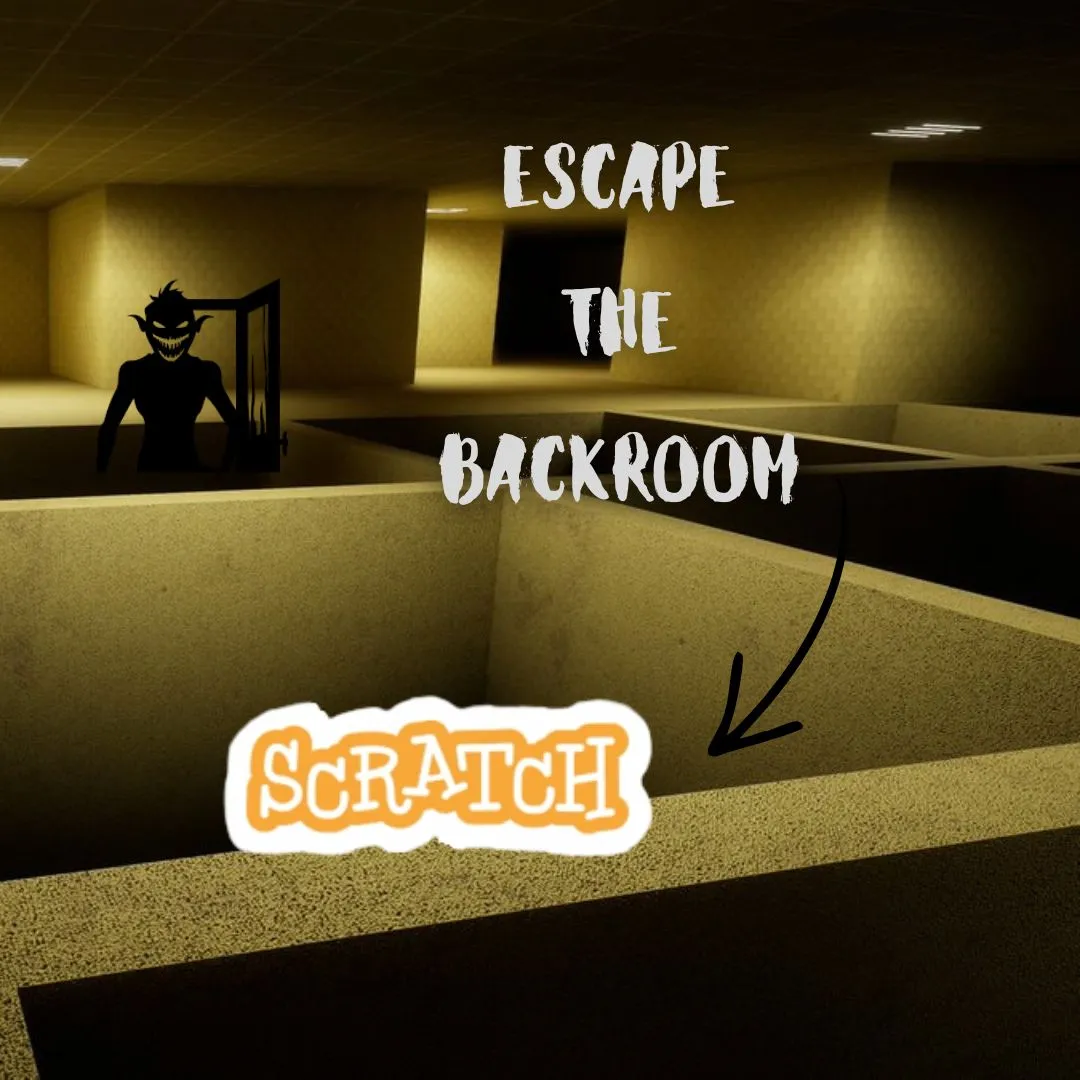

Have you ever imagined being stuck in a mysterious maze with endless yellow rooms, strange sounds, and hidden dangers? That eerie concept has made games like escape the backrooms incredibly popular among kids and teens. Now imagine turning that idea into your very own game. Instead of just playing, kids can actually build a spooky escape adventure using Scratch, learning coding while having fun.
In this detailed guide, we will walk through how to create a Backrooms escape game in Scratch step by step. This project blends creativity, storytelling, and programming into one exciting experience that helps kids learn real coding skills while building something unique.
Why games like escape the backrooms Are Perfect for Coding Projects
There is something incredibly engaging about mystery and exploration. That is why games like escape the backrooms are perfect for beginner coding projects. They allow kids to create suspense, design levels, and build interactive gameplay without needing advanced programming skills.
When kids work on this type of project, they are not just coding. They are designing an experience. They think about how the player moves, what challenges they face, and how the story unfolds. This level of creativity keeps them motivated and excited to learn more.
Here is what makes these games ideal for learning:
| Feature | Coding Skill Learned |
| Maze navigation | Coordinates and movement |
| Hidden clues | Logic and conditions |
| Enemy detection | Collision sensing |
| Escape objectives | Game rules and flow |
This combination of creativity and logic makes learning both fun and meaningful.
What Kids Learn From games like escape the backrooms
Building games like escape the backrooms introduces kids to a wide range of programming concepts. Even though the game feels like a horror adventure, the learning behind it is powerful.
Kids learn how to control characters using keyboard inputs. They understand how to detect walls and obstacles. They also learn how to trigger events when certain conditions are met, such as finding a key or reaching an exit.
This project also teaches storytelling. Kids think about how to create tension, surprise, and excitement through design. That is something most beginner coding games do not offer.
Planning Your Backrooms Game
Before jumping into coding, it is important to plan the game. A good plan makes the development process smoother and more enjoyable.
Kids should think about questions like:
What does the maze look like
Where is the exit located
Are there enemies or obstacles
What happens when the player wins or loses
Planning helps structure the game and gives direction. Many successful games like escape the backrooms start with a simple idea that grows into a full experience.
Setting Up Your Project in Scratch
Start by opening Scratch and creating a new project. Choose a simple character sprite that will represent the player. Then design a maze style background that looks like a Backrooms environment.
The design does not need to be perfect. Even simple shapes can create a spooky atmosphere. Encourage kids to experiment with colors and textures.
This stage is similar to other projects like the talking cat meme game or stickman fighting games, where creativity plays a big role.
Adding Movement Controls in games like escape the backrooms
Movement is the foundation of the game. The player should be able to move through the maze smoothly.
Here is a simple movement script:
when green flag clicked
forever
if key up arrow pressed then
change y by 5
if key down arrow pressed then
change y by -5
if key right arrow pressed then
change x by 5
if key left arrow pressed then
change x by -5
This allows the player to explore the maze. It is one of the first steps in building games like escape the backrooms.
Creating Walls and Collision Detection
To make the maze realistic, the player should not be able to walk through walls. This requires collision detection.
if touching color black then
move -5 steps
This simple logic prevents the player from crossing walls.
Collision detection is a key concept in Scratch programming and is used in many fun coding projects.
Adding a Goal or Exit
Every escape game needs a goal. In this case, the player must find the exit.
if touching color green then
say “You Escaped!” for 2 seconds
This creates a clear objective. Kids learn how to define win conditions in games like escape the backrooms.
Adding Enemies or Obstacles
To make the game more exciting, kids can add enemies or moving obstacles.
forever
move 2 steps
if on edge bounce
If the player touches an enemy, they lose.
This introduces challenge and makes the game more engaging.
Creating a Fear Factor With Sound
Sound plays a huge role in creating atmosphere. Kids can add eerie background sounds or sudden effects to make the game more immersive.
play sound “creepy”
Adding sound transforms simple games like escape the backrooms into memorable experiences.
Adding Clues and Hidden Items
To make the game more interesting, kids can hide keys or clues in the maze.
if touching key then
set hasKey to 1
This adds a puzzle element and encourages exploration.
Designing Multiple Levels
Once the basic game is ready, kids can create multiple levels with increasing difficulty. Each level can have a different maze layout or new challenges.
This keeps players engaged and encourages kids to think like game designers.
Many advanced games like escape the backrooms use level progression to keep players interested.
Making the Game Unique
Encourage kids to add their own twist to the game. They can create different themes, add story elements, or include special powers.
Creativity is what makes coding fun. No two games should look the same.
What Makes This Project Valuable for Parents
Parents often look for activities that are both educational and engaging. This project delivers both.
When kids build games like escape the backrooms, they are developing problem solving skills, logical thinking, and creativity. They are also learning how technology works, which is an essential skill for the future.
From Scratch to Advanced Coding
After completing this project, kids can move on to more advanced programming languages like Python. The concepts they learn here will make that transition easier.
Courses like AI Hybrid and Algorithm Avengers help kids take the next step in their coding journey.
The foundation built through games like escape the backrooms prepares them for future success.
Build Real Skills with JuniorCoderz
If your child enjoys building creative projects like this, JuniorCoderz is the perfect platform to continue learning. Students explore Scratch programming, AI tools, and advanced coding concepts through hands-on projects that make learning exciting and meaningful.
Visit Junior Coderz to book coding classes, enroll in workshops, and explore programs designed to help kids grow their skills. JuniorCoderz focuses on creativity, confidence, and real world learning, helping children turn their ideas into powerful digital creations.
Conclusion
Creating a Backrooms escape game is one of the most exciting ways for kids to learn coding. Projects like games like escape the backrooms combine storytelling, creativity, and programming into a fun and engaging experience.
For parents, this project clearly shows the value of coding education. Kids are not just playing games. They are building them. With the right guidance from JuniorCoderz, children can develop important skills, explore their creativity, and start their journey toward becoming confident young programmers. Book your free trial now!
FAQs
What are games like escape the backrooms
They are maze based games where players explore and try to find an exit while avoiding obstacles.
Is this project suitable for beginners
Yes, Scratch makes it easy for beginners to create this type of game.
What skills do kids learn from this project
Kids learn coding basics, logic, creativity, and problem solving.
Can kids make the game more advanced
Yes, they can add levels, enemies, and puzzles.
What should kids learn next
They can move to Python and advanced programming.