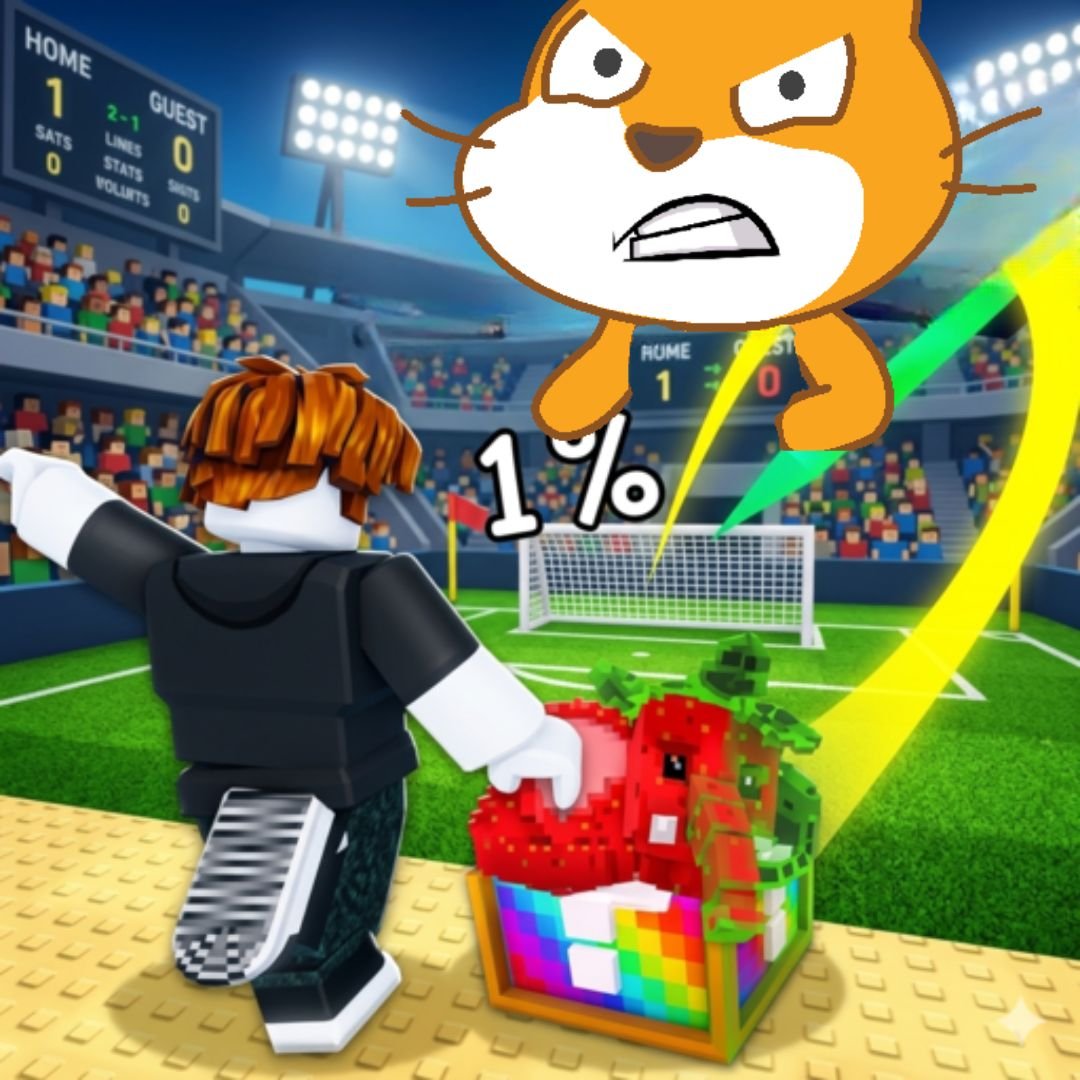

Have you ever spotted a glowing, spinning block and wondered what on earth could be hiding inside it? That exact rush of curiosity is what makes a kick a lucky block game so much fun, and today we are turning that mystery into a real Scratch project you can build yourself. You will code a floating block that reacts the moment it gets kicked, a surprise system that decides what pops out, and a reward counter that keeps track of every lucky hit. It is one of those fun coding projects that mixes suspense with real programming logic, and it feels incredibly satisfying to watch your own block explode with surprises.
Scratch programming makes this surprise filled build beginner friendly. The colorful drag and drop blocks let young coders see their logic clearly, so coding for kids stays exciting instead of scary. By the end, you will understand random numbers, variables, and animations, and you will have a real mystery box game to share with friends. Grab your boots and let us start kicking.
Why a Kick a Lucky Block Game Makes a Great Project
Kids love surprises, and there is something irresistible about not knowing what a single kick might reveal. That instant curiosity is exactly why a kick a lucky block game is so easy to fall in love with, and it gives young coders a strong reason to keep experimenting with new rewards and outcomes.
This project is also packed with real computer science. The kick needs animation and timing. The reward needs random numbers. Tracking prizes needs variables that grow with every hit. You learn all of it while building something genuinely exciting to play. That is why this kind of mystery box game ranks among the best beginner coding games for kids who love surprises. If your child enjoyed our Piggy escape game or the Pokemon-style battler build, this mystery box project is a fun next step.
The Story: The Mystery Crates of Blockford
In the tiny town of Blockford, strange glowing crates have started appearing overnight in the town square. Nobody knows where they came from or what is hiding inside them. Some say they hold gleaming coins. Others whisper about rare gems, or even a sneaky burst of nothing at all. The only way to find out is to walk up and give one a good solid kick.
You are the newest crate inspector in Blockford, armed with sturdy boots and a curious mind. Every kick could reveal treasure, or it could reveal absolutely nothing, and that is exactly what makes the job so thrilling. Ready to find out what today’s crates are hiding? Let us start building.
Kick a Lucky Block Game: Set Up Your Floating Block
Every good mystery box needs to look alive before it is even touched. We will make the block gently float up and down, so it feels magical and inviting the moment players see it on the stage.
| Sprite | Job in the Game |
|---|---|
| Lucky Block | Floats in place and reacts to kicks |
| Reward Icon | Pops out to reveal the surprise |
| Score Display | Tracks coins collected from kicks |
Here is a script that makes the block gently bob up and down, written the same way it would look stacked together in Scratch.
That gentle floating motion instantly makes the block feel special, like it is just waiting for someone brave enough to give it a kick.
Kick a Lucky Block Game: Code the Kick Animation
The kick itself needs to feel satisfying, with a quick shake and a burst of motion the moment the block is clicked. We use a short wiggle animation followed by a broadcast that tells the rest of the game a kick just happened.
That little shake and thud sound is what makes every kick feel punchy and rewarding, even before the surprise is revealed.
Kick a Lucky Block Game: Add the Surprise Rewards
Now for the best part, deciding what pops out. We use a random number to choose between different prizes, so every kick keeps players guessing what they might win next.
| Roll Range | Reward | Chance |
|---|---|---|
| 1 to 50 | Small coin | 50 percent |
| 51 to 80 | Handful of gems | 30 percent |
| 81 to 95 | Rare treasure chest | 15 percent |
| 96 to 100 | Nothing but dust | 5 percent |
That mix of good rewards and the occasional letdown is exactly what keeps a kick a lucky block game exciting, because players never quite know if the next kick will pay off big or leave them empty handed.
Kick a Lucky Block Game: Coding Skills Kids Learn
This single project quietly teaches a huge amount. Here is what your young coder practices while having a blast:
| Skill | Where It Shows Up |
|---|---|
| Random numbers | Deciding which reward appears |
| Broadcasts | Connecting the kick to the reward |
| Variables | Tracking coins and roll results |
| Conditions | Sorting rolls into reward tiers |
| Animation | Floating and shaking the block |
These are the same building blocks used in real games and apps. Master them young, and harder languages feel far friendlier later. When a learner is ready for text based code, our Algorithm Avengers program for teens is the perfect next leap.
Fun Ways to Level Up Your Game
Once the basics work, let creativity take over. Encourage your child to remix the game and make it truly their own:
Add a shiny sparkle effect for the rarest rewards. Create a shop where coins can be spent on new block skins. Add a combo bonus for kicking blocks quickly in a row. Design a mega block that only appears once every ten kicks. Build a leaderboard to track the luckiest players. Every tweak sharpens their Scratch programming skills and keeps the surprises coming. For more remix ideas, kids love our Sprunki music mixer and the Adopt Me pet trading builds.
Start Your Coding Adventure
Ready to Code Games Like a Pro?
Now that you can build your own kick a lucky block game in Scratch, why stop at one project? At Junior Coderz, kids build games, apps, and even AI tools with friendly live teachers guiding every step. We turn screen time into skill time, one exciting project at a time.
Book a coding class, join a live Scratch workshop, or dive into our hands-on Scratch coding for kids program. Curious about smart tech too? Explore our AI Hybrid Course where coding meets artificial intelligence.
See what our young coders create every day on Instagram and Facebook. Then grab a free spot below and let your child build their very first masterpiece.
Book Your Free Trial ClassConclusion
You just turned a simple burst of curiosity into your very own Scratch creation. From a gently floating block to a satisfying kick animation and a genuine surprise reward system, every part taught a real coding skill. Building your own kick a lucky block game proves that the smartest way to understand programming is to make something thrilling to play.
So keep kicking and keep dreaming. Remix your game, share it with friends, and design your next mystery crate. Coding for kids is not about getting everything perfect on the first try. It is about curiosity, creativity, and the joy of watching your ideas come to life. Whenever you feel stuck, our friendly team at Junior Coderz is ready to guide you. Connect with us on LinkedIn and start your coding journey today.
FAQs
Do I need any official game assets to build this?
No, you do not need any official images or characters at all. This is your own original mystery box game built in Scratch using simple sprites and blocks. It only borrows the fun idea of kicking a block for a surprise, so any child can build it free in a web browser.
What age group can build this lucky block game?
Most kids aged eight and up can follow along with a little support. Younger coders may need help with random numbers, while older kids can build it solo. It works wonderfully as one of the more exciting beginner coding games for families.
Is Scratch good for learning real coding?
Absolutely. Scratch teaches the same core ideas used in real programming, like variables, loops, and conditions. The drag and drop blocks remove typing errors so kids focus on logic. It is the perfect first step before moving to text based languages.
How long does this project take to finish?
A focused young coder can build a basic working version in two or three sessions. Adding more rewards, sounds, and a shop takes a little longer. Breaking it into one feature at a time keeps the project fun and easy to manage.
What should my child learn after this game?
Once this feels easy, try bigger Scratch builds or step into text based coding like Python. Junior Coderz offers live classes that guide kids from blocks to real code, so every learner keeps growing at a pace that feels exciting, not stressful.