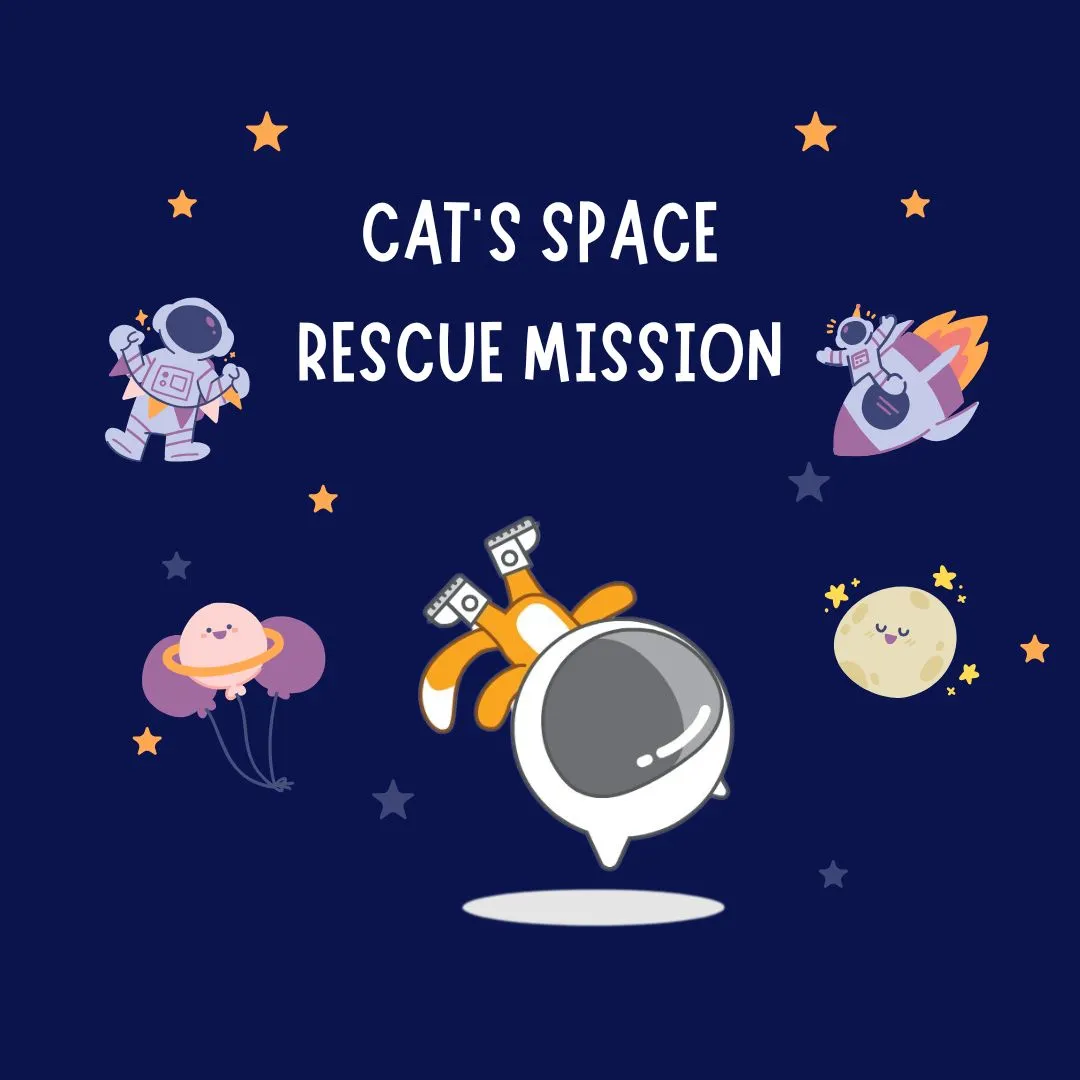
Kids love stories, adventures, and challenges. Now imagine combining all three inside a fun coding project where Scratch Cat explores outer space, dodges obstacles, and saves stranded astronauts. That is exactly what makes the space rescue scratch game so exciting. It teaches logic, creativity, and game design while letting young coders build a story driven project filled with planets, aliens, and heroic missions. If your child loves space, animation, or adventure games, this tutorial will show them how to turn their ideas into a real playable game. In this blog, you will learn how to design the entire space mission from scratch. You will learn how to animate flying astronauts, move Scratch Cat’s spaceship, use logic blocks to detect collisions, and create a satisfying rescue experience. The best part is that everything can be built using simple blocks and imagination. This is what makes Scratch programming such a powerful and kid friendly coding platform. Let’s blast off and start building.
Why Kids Love Making a Space Rescue Scratch Game
Kids get excited when they work on projects that feel like real games. A space rescue scratch game gives them a chance to explore new worlds, learn creative animation, and understand game logic without feeling overwhelmed. It mixes storytelling, exploration, and problem solving in a very fun way. This kind of coding project also strengthens attention to detail and encourages kids to think like game designers. A space themed game lets children experiment with physics, speeds, directions, and sprite behavior. They learn how characters behave in space, how to create floating animations, and how to set up rescue objectives. All of this boosts creativity, logical thinking, and patience while keeping the experience playful.
How the Space Rescue Scratch Game Works
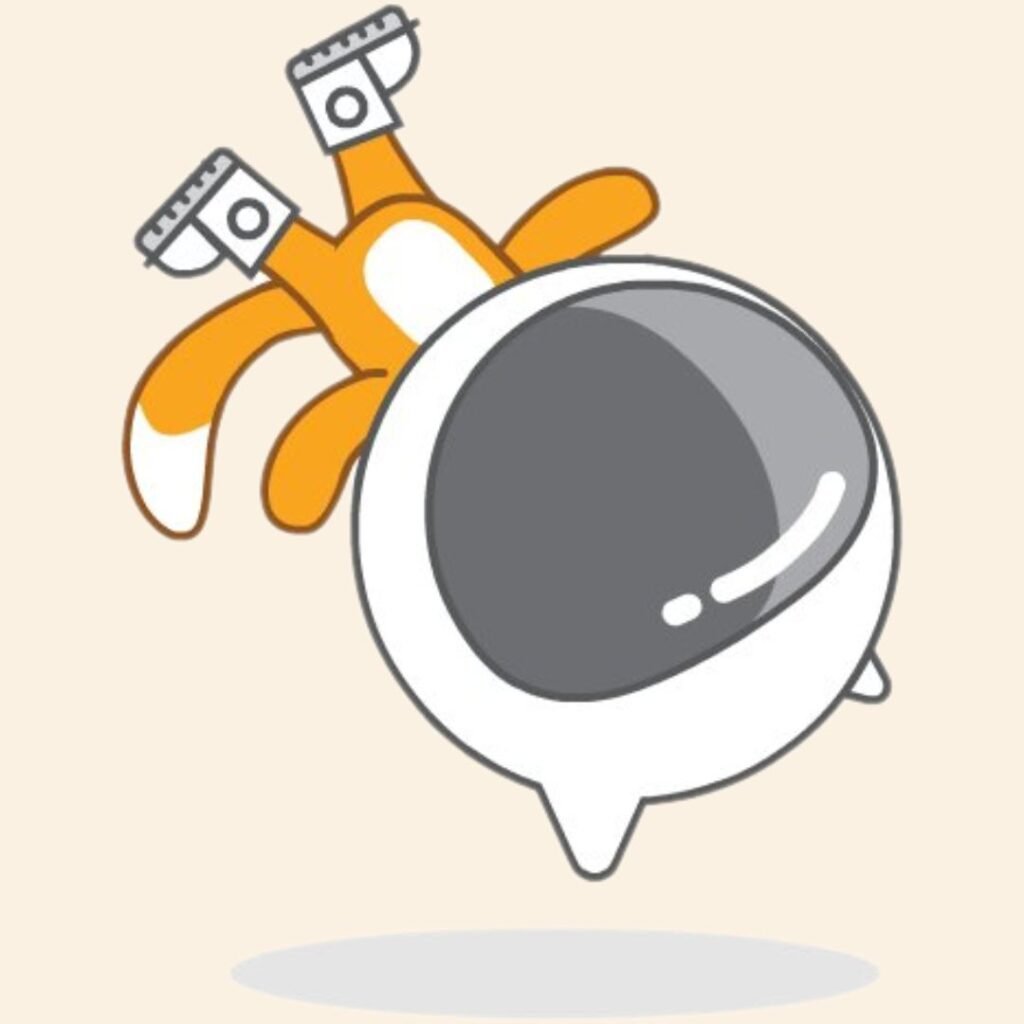
Before building your game piece by piece, here’s a simple breakdown of the main idea behind the space rescue scratch game. Scratch Cat becomes a space hero who drives a spaceship. Astronauts float in space, and the player must move the spaceship to reach them. Once Scratch Cat touches an astronaut, the astronaut is rescued and disappears from the stage. The player earns points for each rescue. The game continues until all astronauts are saved. Below is a quick table describing the main elements:
| Item | Purpose |
| Spaceship | Controlled by the player to rescue astronauts |
| Astronaut sprites | Appear floating in random spots |
| Space background | Sets the atmosphere |
| Score system | Counts how many astronauts were saved |
| Obstacles (optional) | Adds challenge by blocking movement |
| These basics help keep the project structured and easy for kids to understand. |
Setting Up the Game Environment for the Space Rescue Scratch Game
The first step of the space rescue scratch game is setting up the stage. Scratch provides several built in space backgrounds with stars, galaxies, and floating planets. You can also upload your own custom backgrounds if you want to design a more unique mission.
Steps to Prepare the Stage
- Open Scratch.
- Click on “Choose a Backdrop”.
- Select a space background like “Stars”, “Galaxy” or “Cosmic”.
- Delete the default cat sprite.
- Add Scratch Cat again but costume it as a space explorer or astronaut.
- Add a spaceship sprite if you prefer Scratch Cat to ride inside it.
The goal is to create a world that looks like deep space so kids feel immersed when playing.
Designing the Spaceship and Character Movement
Movement brings the space rescue scratch game to life. You can choose to move Scratch Cat by itself or make Scratch Cat sit inside a spaceship sprite. Most kids enjoy designing their own colorful ships with rockets and glowing engines.
Basic Movement Code Example
Here is a simple movement code using arrow keys:
- Add the “when green flag clicked” block.
- Add “forever”.
- Inside the loop place:
- “if key right arrow pressed then change x by 10”.
- “if key left arrow pressed then change x by negative 10”.
- “if key up arrow pressed then change y by 10”.
- “if key down arrow pressed then change y by negative 10”.
This script makes your spaceship move smoothly in all directions.
- “if key right arrow pressed then change x by 10”.
Adding Speed Options
You can include a variable called “speed” to let the player go faster by collecting power ups. Kids love features like this because it makes the space rescue scratch game feel even more interactive.
Creating Floating Astronauts for the Space Rescue Scratch Game
Astronauts are the heart of the mission. To make the game fun, astronauts must drift gently as if they are truly floating through space. This gives players a sense of movement and keeps the game challenging.
Making Astronauts Float
Here is a simple floating animation technique:
- Create a variable “float direction”.
- Set a small movement value like 2 or 3.
- Use the “forever” block to make the astronaut move slowly left and right.
- Reverse direction when touching the edge.
Astronaut Appearance and Random Positioning
You can create multiple astronaut clones that appear in random places.
Example script:
- When green flag clicked
- Hide original sprite
- Repeat 5 times:
- Create clone
- Create clone
- When I start as clone:
- Go to “pick random x” and “pick random y”
- Show
This allows the space rescue scratch game to feel unpredictable and adventurous.
- Go to “pick random x” and “pick random y”
Rescue Logic: Making the Game Playable
Now that the astronauts can float, you must add the rescue logic. This is the most important part of the space rescue scratch game because it triggers the scoring system and player satisfaction.
Collision Detection Code
- When green flag clicked
- Forever:
- If touching spaceship then:
- Play sound “pop” or “success”
- Change score by 1
- Hide
- Stop this script
Kids quickly understand the purpose of detection blocks when they see how they control the rescue sequence.
- Play sound “pop” or “success”
- If touching spaceship then:
Adding Obstacles to Challenge Players
Obstacles make the space rescue scratch game more engaging. You can add asteroids, space debris, or alien ships that move around the screen. If the spaceship touches them, the game can end or the player can lose points.
Example Obstacle Movement
- When green flag clicked
- Go to random position
- Forever:
- Glide to another random position in 3 seconds
- Glide to another random position in 3 seconds
Optional Penalty Code
- If touching obstacle:
- Broadcast “game over”
- Stop all scripts
Kids enjoy adding obstacles because it makes the game feel more like a real arcade challenge.
- Broadcast “game over”
Building the Scoring System for the Space Rescue Scratch Game
Scores help players understand how well they are doing. A space rescue scratch game becomes exciting when the player can track how many astronauts they saved.
Steps
- Create a variable “rescued”.
- Set “rescued” to zero at the start.
- Each time an astronaut is saved:
- Change “rescued” by 1.
You can even add a timer for players who like competing with themselves.
- Change “rescued” by 1.
Level Design for an Even Better Space Rescue Scratch Game
To make the game deeper, you can create levels. After all astronauts are rescued, broadcast “next level”. The next level can include more astronauts, faster obstacles, or limited movement.
Level Ideas
| Level | Description |
| 1 | Basic movement, no obstacles |
| 2 | Faster floating astronauts |
| 3 | Obstacles appear |
| 4 | More astronauts scattered |
| 5 | Timed mission |
| Levels make the space rescue scratch game more challenging and exciting for kids. |
Adding Sound and Visual Effects
Space games feel much better with sound. Add background music and sound effects like beeps, whooshes, and rescue chimes. Make sure the sounds are soft and enjoyable. Kids often enjoy adding glow effects using costumes or graphic editing tools in Scratch.
Final Touches to Make the Game Polished
A polished game feels complete and rewarding. Kids can add a start screen, a mission briefing, a winning celebration animation, custom space themed fonts, and a “Play Again” button. These small finishing touches transform a simple space rescue scratch game into a creative masterpiece.
Call to Action: Start Learning and Creating With JuniorCoderz
If your child wants to take their creativity further, JuniorCoderz is the perfect place to begin. At https://juniorcoderz.com/, young coders can learn how to build fun projects, create animated stories, design games, and master Scratch programming in a supportive environment. Our Scratch workshops help kids understand game logic, movement, animations, scoring systems, and storytelling. Students receive guidance, work on exciting challenges, and gain real programming confidence. Whether your child wants to develop more space themed adventures or explore beginner coding games, our expert instructors make learning enjoyable. Book a coding class today and help your child unlock their creative power.
Conclusion
A space rescue scratch game is one of the best creative projects kids can build. It mixes storytelling, adventure, and hands on coding skills while letting kids express their imagination. From moving the spaceship to rescuing astronauts and designing obstacles, every step teaches important concepts in a simple and enjoyable way. Encourage your child to explore more coding projects and take their creativity to the next level. Visit JuniorCoderz to join classes, learn Scratch programming, and start building amazing games today.
FAQs
What is a space rescue scratch game?
It is a Scratch project where kids build a space themed adventure by rescuing floating astronauts. It teaches animation, logic, and problem solving.
How long does it take to make the game?
Most kids can finish a basic version in one or two sessions. A more advanced game with levels takes longer.
Do kids need previous coding experience?
No. Scratch is beginner friendly and perfect for first time coders.
Can I add more astronauts or levels?
Yes. You can add as many sprites, triggers, or rescue stages as you want.
Is this game good for learning real world skills?
Absolutely. Kids learn logic, planning, sequencing, creativity, and basic problem solving through this fun project.