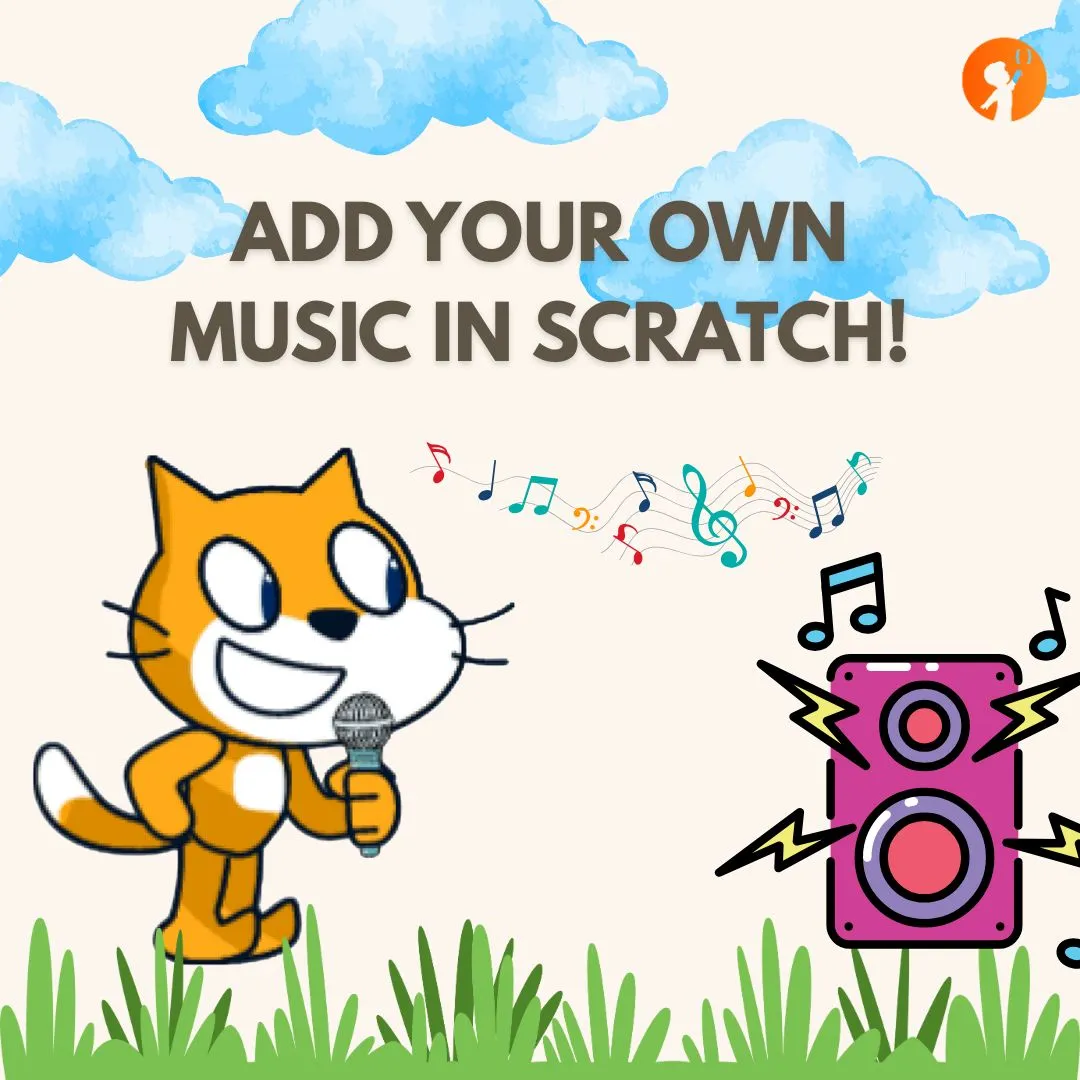
Sound can completely change how a game feels. A jump sound makes movement exciting, background music creates atmosphere, and simple effects give players instant feedback. That is why learning audio design is just as important as visuals and controls in Scratch games. In this guide, we will walk step by step through a complete sound effects tutorial that helps kids understand how to use sounds the right way while building fun, interactive projects.
This blog is designed for young coders, parents, and teachers who want to understand how sound works in Scratch games without confusion. By the end, you will know how to add jump sounds, loop background music, and create a clean mute system that works smoothly in any game.
Why Every Scratch Game Needs a Sound Effects Tutorial
Sound turns simple Scratch programming into a full experience. Without sound, games can feel flat even if the visuals are colorful. A proper sound effects tutorial helps kids understand timing, events, and feedback. When a character jumps, a sound confirms the action. A level starts, music sets the mood. And when a button is clicked, a small sound reassures the player.
For beginners, learning sound also teaches sequencing and logical thinking. Kids learn that sounds are triggered by actions, just like movement or scoring. This is why sound design is often introduced early in coding for kids programs and beginner coding games.
Understanding Sound Blocks Through a Sound Effects Tutorial
Scratch includes a full Sound category with blocks that control when and how audio plays. A sound effects tutorial usually begins by explaining the difference between play sound and play sound until done. The first plays audio while the program continues. The second pauses the script until the sound finishes.
Kids also learn how to stop all sounds, change volume, and set volume levels. These concepts are important for creating balanced games. If multiple sounds play at once without control, the game can feel noisy. Learning sound control early helps students build cleaner and more professional Scratch programming projects.
Adding Jump Sounds Using a Sound Effects Tutorial
Jump sounds are one of the most common effects in games. They make movement feel responsive and fun. In a sound effects tutorial, kids learn to attach a sound to an action like pressing the space key.
Basic steps for jump sounds:
- Choose or upload a short jump sound
- Detect the jump key press
- Play the sound at the exact moment the character moves
- Adjust volume so it is not too loud
This teaches kids timing and cause and effect. Jump sounds are perfect for platformers, adventure games, and fun coding projects where characters move frequently.
Using Background Music Correctly With a Sound Effects Tutorial
Background music should enhance the game without distracting the player. A good sound effects tutorial explains how to loop music smoothly and avoid restarting it every time a script runs.
Key ideas kids learn:
- Start music when the game begins
- Use forever loops carefully
- Avoid stacking multiple music tracks
- Keep background music quieter than sound effects
This helps kids understand layering and balance. Background music is commonly used in beginner coding games, storytelling projects, and Scratch animations created by young learners.
Choosing the Right Sounds in a Sound Effects Tutorial
Not all sounds work well in games. A sound effects tutorial teaches kids to choose short, clear effects that match the action. Long sounds can delay gameplay and confuse players. Scratch’s built in sound library includes pops, meows, clicks, and tones that work well for beginners.
Kids also learn to rename sounds and organize them properly. This builds good habits for larger Scratch programming projects where multiple sounds are used across different sprites.
Creating a Mute Button With a Sound Effects Tutorial
A mute button is a small feature that makes a big difference. It gives players control and makes games feel more polished. In a sound effects tutorial, kids learn how to use variables to turn sound on or off.
Common mute system logic:
- Create a variable called sound
- Set sound to on or off
- Check the variable before playing audio
- Change volume based on the setting
This introduces conditional logic and variables in a simple, practical way. Mute systems are excellent teaching tools in coding for kids because they combine logic, design, and user experience.
Avoiding Sound Problems With a Sound Effects Tutorial
Many beginner games have sound issues like overlapping music, repeated effects, or audio that never stops. A sound effects tutorial helps kids spot and fix these problems early.
Common mistakes to avoid:
- Playing music inside forever loops
- Triggering sounds too frequently
- Forgetting to stop sounds between scenes
- Using very loud volumes
Learning to debug sound teaches patience and attention to detail. These are important skills in Scratch programming and beyond.
Applying a Sound Effects Tutorial to Real Scratch Projects
Once kids understand sound basics, they can apply them to real projects. Platform games use jump sounds and landing effects. Adventure games use background music and interaction sounds. Quiz games use correct and incorrect answer tones.
This is where sound design becomes creative. Kids start experimenting with timing, mood, and feedback. Sound transforms simple beginner coding games into interactive experiences players enjoy.
Teaching Audio Design Through a Sound Effects Tutorial
For parents and educators, sound is a powerful teaching tool. A sound effects tutorial shows kids that coding is not just about logic but also creativity. Audio design connects programming with music, storytelling, and emotional expression.
When kids create their own sound systems, they gain confidence and ownership over their projects. This encourages them to explore more advanced Scratch programming features and build larger fun coding projects.
Learn Sound and Coding Together at JuniorCoderz
If your child enjoyed learning about sound design in Scratch, JuniorCoderz can take their skills to the next level. Our programs are designed to help kids master Scratch programming, beginner coding games, and interactive projects in a structured and supportive way. Students learn how to build complete games with movement, sound, logic, and creativity.
Visit Junior Coderz to book coding classes, enroll in Scratch workshops, and help your child grow their skills while having fun learning coding for kids.
Conclusion
Learning how to use sound properly is a major step in becoming a confident Scratch creator. When kids understand how jump sounds, background music, and mute systems work, their games feel more complete and professional. Sound design also builds logic, creativity, and attention to detail. With practice and guidance, young coders can turn simple ideas into exciting interactive experiences. JuniorCoderz is here to guide that journey and help kids build skills that last far beyond their first Scratch game.
FAQs
Why are sound effects important in Scratch games
Sound effects make games more engaging and help players understand actions and feedback instantly.
What is the best volume level for Scratch sounds
Most games work well when sound effects are medium volume and background music is slightly lower.
Can beginners add music without coding experience
Yes, Scratch sound blocks are visual and easy to use, making them perfect for beginners.
Should every Scratch game have a mute option
A mute option is recommended because it gives players control and improves user experience.
Do sound effects slow down Scratch games
Properly used sound effects do not slow games down. Problems usually come from poor looping or overlapping sounds.