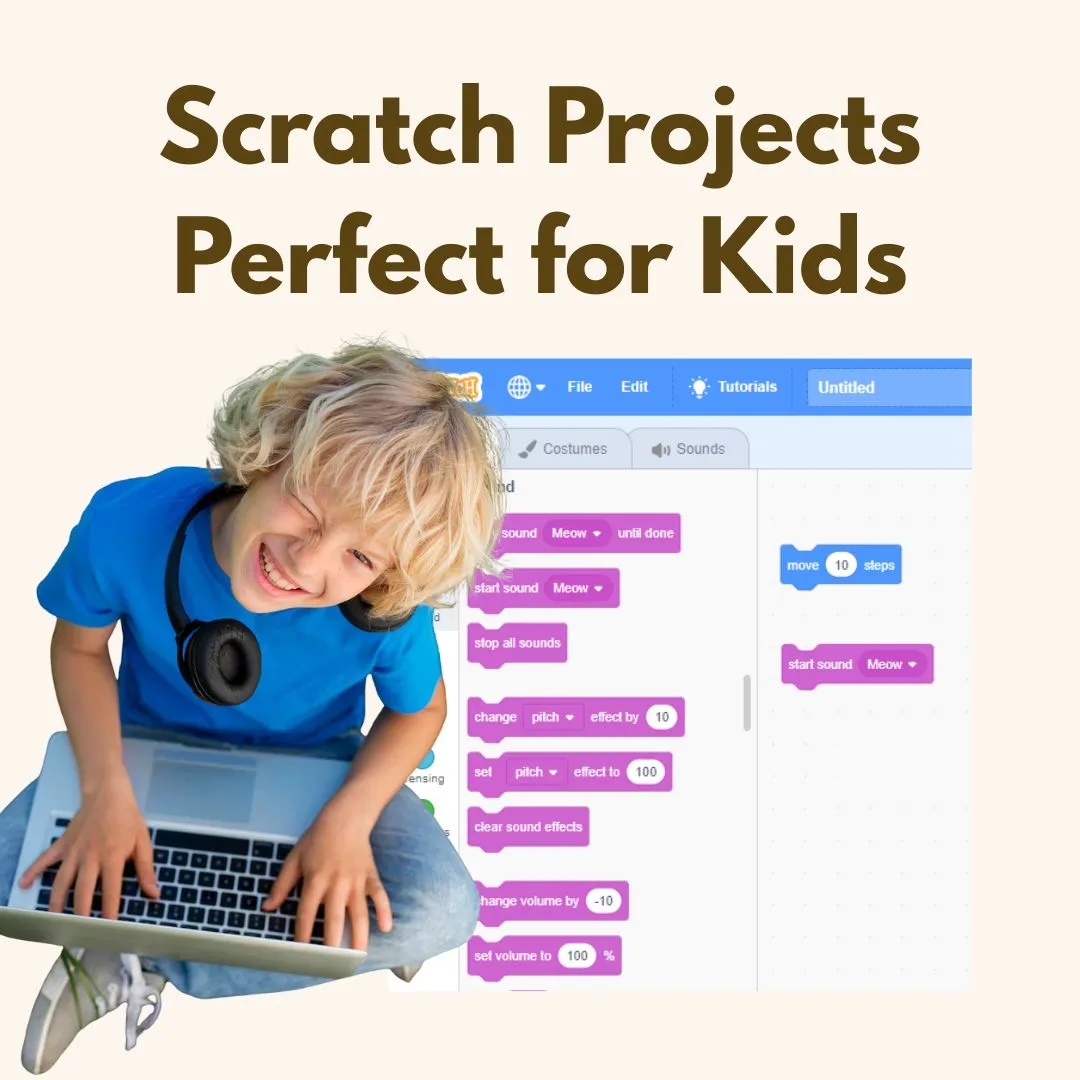
Coding does not have to start with complex code or confusing logic. For young learners, it should feel like play, storytelling, and creativity combined. That is why scratch projects for kids are one of the best ways to introduce coding to children aged 6 to 7. With colorful blocks, friendly characters, and instant results, Scratch turns learning into an exciting adventure. In this guide, we explore fun, age-appropriate Scratchs project idea inspired by the Tiny Techies Coding Class at JuniorCoderz and explain how these projects build strong foundations in a joyful way.
Why scratch projects for kids are perfect for ages 6 to 7
Children between 6 and 7 years old learn best through exploration and imagination. Scratch programming matches their learning style perfectly. Instead of typing lines of code, kids snap visual blocks together like puzzle pieces. This helps them understand sequencing, cause and effect, and logic without frustration.
At this age, children are still developing reading and motor skills. Scratch supports this by using icons, colors, and simple words. Beginner coding games created in Scratch allow kids to see instant feedback, which builds confidence and curiosity. Parents love it because learning happens through play, and educators value how it supports problem solving and creativity.
Animated stories using scratch projects for kids
Animated storytelling is often the first project young learners fall in love with. Kids enjoy bringing characters to life and creating their own mini cartoons.
Project idea: My Talking Animal Story
Children choose a character like a cat, dragon, or robot and create a short animated story.
What kids learn
- Sequencing events
- Understanding start and stop commands
- Creative storytelling
Simple Scratch steps
- Choose a sprite and a background.
- Add a “when green flag clicked” block.
- Use “say” blocks to create dialogue.
- Add “wait” blocks to control timing.
- Change costumes to create movement.
This type of fun coding project builds confidence and encourages kids to express ideas while learning Scratch programming basics.
Beginner games built with scratch projects for kids
Games are a huge motivator for young coders. Simple games help children understand rules, scoring, and interaction.
Project idea: Catch the Star Game
A star falls from the sky and the player moves a character to catch it.
What kids learn
- Keyboard controls
- Coordinates and movement
- Simple scoring logic
Mini code flow
- When arrow key pressed, move sprite.
- If touching star, add 1 to score.
- Move star to random position.
This beginner-friendly game introduces logical thinking and keeps kids engaged while they play what they create.
Interactive puzzles through scratch projects for kids
Puzzles are excellent for building thinking skills. Interactive puzzles encourage children to experiment and try again without fear of failure.
Project idea: Shape Matching Puzzle
Kids drag shapes to match outlines on the screen.
Skills developed
- Problem solving
- Drag and drop mechanics
- Attention to detail
How it works
- Use “when this sprite clicked” and “go to mouse pointer.”
- Add a check for correct position.
- Celebrate with sound or animation when correct.
These activities are ideal coding for kids because they strengthen focus and patience in a playful way.
Art and drawing ideas with scratch projects for kids
Not all coding projects need scores or rules. Art-based projects help creative kids connect with technology.
Project idea: Magical Drawing Pen
Kids draw patterns by moving a sprite across the screen.
Learning benefits
- Understanding directions
- Exploring symmetry and patterns
- Combining art with logic
Simple setup
- Use the pen extension.
- Move sprite using arrow keys.
- Change pen color and size.
This project is especially popular in Scratch workshops because it blends creativity with technical thinking.
Music and sound fun in scratch projects for kids
Sound-based projects are exciting and sensory friendly for young learners. Kids love hearing music play when they click something they built.
Project idea: Animal Sound Board
Each animal sprite plays a sound when clicked.
What children learn
- Events and triggers
- Audio control
- Cause and effect
Steps overview
- Add multiple sprites.
- Attach “when sprite clicked” block.
- Play a sound for each character.
Music projects make Scratch programming joyful and help kids understand how interactions work.
Simple math games via scratch projects for kids
Math does not need to feel intimidating. Scratch can turn numbers into fun challenges.
Project idea: Balloon Pop Math Game
A balloon shows a number and kids pop the correct answer.
Educational value
- Number recognition
- Basic addition and subtraction
- Decision making
Game logic
- Display a math question.
- Offer multiple answer sprites.
- Correct answer gives points and applause.
This approach supports early math skills while keeping learning playful.
Daily life simulations using scratch projects for kids
Simulation projects help kids understand routines and real-world concepts.
Project idea: Morning Routine Game
Kids arrange steps like brushing teeth, eating breakfast, and going to school.
Skills built
- Logical ordering
- Understanding sequences
- Real-life application
How it works
- Use drag and drop sprites.
- Check correct order.
- Reward with animation.
These projects help children connect coding concepts to everyday life.
Skills children gain from scratch projects for kids
Beyond fun, these projects develop essential skills that support long-term learning.
| Skill Area | How It Develops |
| Logical Thinking | Sequencing actions and events |
| Creativity | Designing stories, games, and art |
| Problem Solving | Fixing mistakes and testing ideas |
| Confidence | Seeing projects work successfully |
| Digital Literacy | Understanding technology early |
These foundational skills prepare kids for future learning in technology and beyond.
Call to Action
If your child enjoys building games, stories, and creative activities, it may be time to guide that curiosity with expert support. Visit Junior Coderz to book coding classes, enroll in Scratch workshops, or explore structured programs designed especially for young learners. JuniorCoderz helps children turn ideas into real projects, improve their thinking skills, and have fun while learning programming in a safe and supportive environment.
Conclusion
Scratch opens a world where learning feels like play and creativity meets logic. From animated stories to simple games and puzzles, these projects show how young children can build confidence and skills through fun experiences. Whether your child dreams of making games or simply enjoys creative play, starting early makes a difference. Explore guided learning, expert mentorship, and exciting projects by visiting JuniorCoderz and help your child begin a joyful coding journey today.
FAQs
What age is Scratch best for?
Scratch is ideal for children aged 6 and above because it uses visual blocks instead of text-based coding.
Do kids need prior experience to start Scratch?
No experience is required. Beginners can start with simple drag and drop activities and learn step by step.
How long does it take to make a Scratch project?
Most beginner projects can be completed in 30 to 60 minutes, depending on complexity.
Is Scratch safe for children?
Yes, Scratch is designed for kids and includes moderation tools and privacy settings.
Can parents help at home?
Absolutely. Parents can encourage creativity by asking children to explain their projects and ideas.