Creating multiple levels is what turns a simple Scratch project into a real game experience. Instead of repeating the same challenge again and again, kids get to build progress, difficulty, and excitement as players move forward. This is where level design in games becomes an important skill for young coders to understand early. By learning how to create different levels, kids improve logical thinking, creativity, and planning while building fun coding projects they are proud to share.
In this guide, we will explore how beginners can create levels in Scratch step by step. Parents and teachers will also learn how this process strengthens problem solving and creativity in coding for kids. Whether your child is making their first platformer or a simple maze game, this tutorial makes level building easy and fun.
Why Levels Matter in Scratch Games and Level Design in Games
Levels give structure to a game. Without levels, a game feels flat and repetitive. When kids learn to build levels, they learn how games gradually introduce challenges, rewards, and new ideas. This teaches planning and sequencing, which are core skills in level design in games.
In Scratch programming, levels help kids understand how variables, broadcasts, and conditions work together. Each level can introduce something new like faster enemies, trickier jumps, or new sounds. This gradual learning mirrors how real games are designed and helps kids stay motivated to improve their projects.
Planning Game Levels Before Coding and Level Design in Games
Before jumping into Scratch blocks, it is important to plan the levels on paper or in the mind. Kids should think about how many levels their game will have and what changes in each level. Planning is a key part of level design in games because it prevents confusion later.
Encourage kids to answer simple questions like what makes level one easy, what new challenge appears in level two, and how the final level feels exciting. This planning step also helps children learn organization and foresight, which are valuable STEM skills beyond coding.
Using Backdrops to Create Levels in Scratch and Level Design in Games
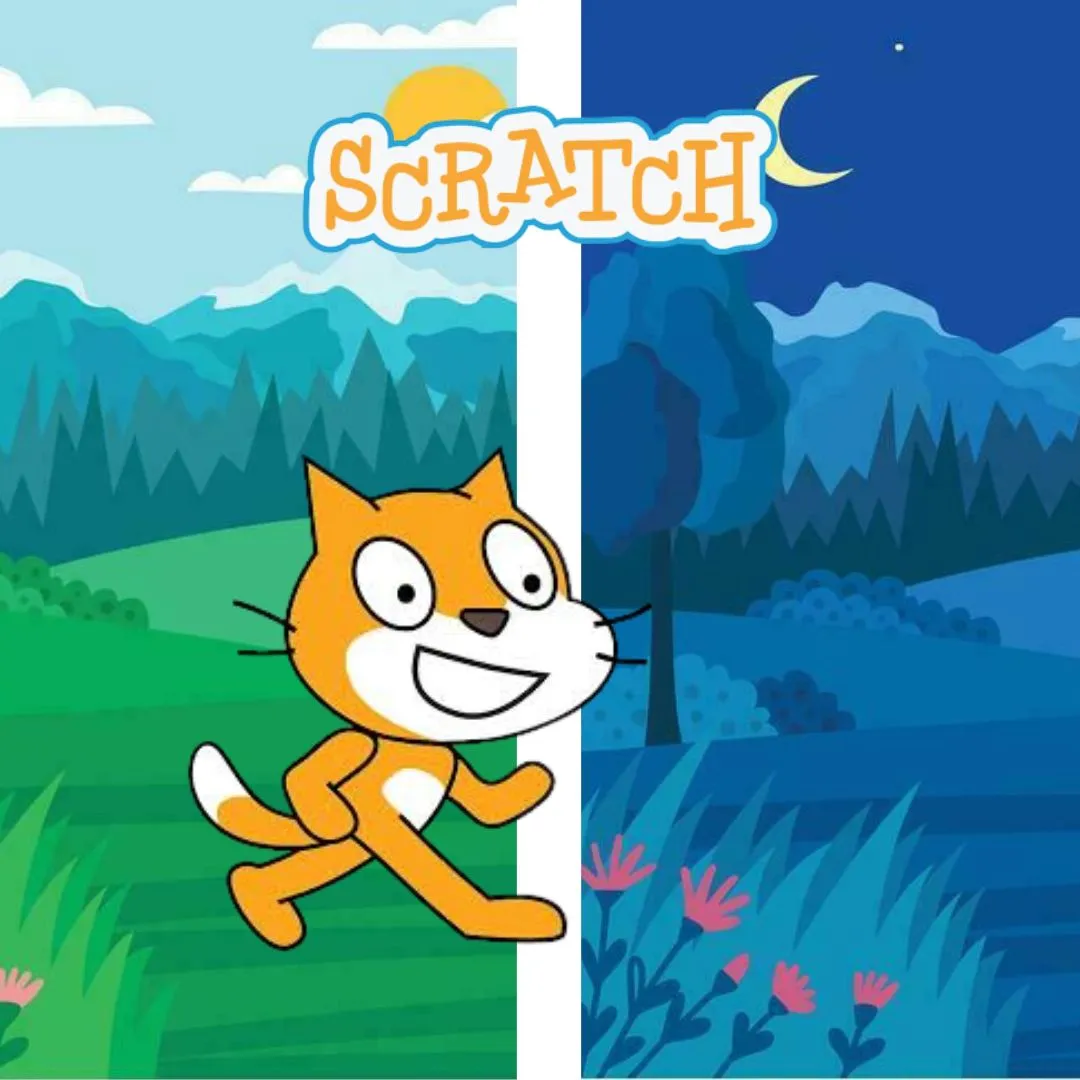
One of the easiest ways to create levels in Scratch is by using different backdrops. Each backdrop can represent a new level with a new layout, colors, or obstacles. This approach teaches kids how level design in games often relies on visual changes to signal progress.
To switch levels using backdrops, kids can use broadcast messages. When the player completes a task, the game broadcasts a message and switches to the next backdrop. This keeps the game clean and organized while introducing an important Scratch programming concept.
Creating Levels with Variables and Counters and Level Design in Games
Variables are one of the most powerful tools for creating levels. A level variable can track which stage the player is currently on. This method is commonly used in professional level design in games and works perfectly in Scratch too.
Here is a simple example of how levels can work using a variable.
| Element | Purpose |
| Level variable | Tracks current level |
| If statements | Check which level is active |
| Change backdrop | Update visual environment |
| Adjust difficulty | Increase speed or obstacles |
Using variables helps kids understand logic, conditions, and game flow. These are foundational concepts in coding for kids and beginner coding games.
Adding New Challenges Each Level and Level Design in Games
Each level should feel slightly different from the last. This keeps players interested and teaches kids how difficulty progression works in level design in games. Challenges can include faster movement, more enemies, or smaller platforms.
Kids can reuse the same sprites but change their behavior based on the level variable. For example, an enemy can move slowly in level one and faster in later levels. This teaches efficiency and reuse, which are important programming habits.
Using Sounds and Music for Different Levels and Level Design in Games
Sound plays a big role in how levels feel. Background music can change between levels, and jump sounds or effects can become more exciting as the game progresses. Using sound creatively supports level design in games by enhancing mood and feedback.
In Scratch, kids can use different sounds for each level by checking the level variable before playing music. A mute system can also be added using a variable so players can turn sound on or off. This teaches kids how real games handle audio control.
Creating Level Transitions and Feedback and Level Design in Games
Level transitions help players understand they have progressed. This could be a message like Level Complete, a sound effect, or a short animation. These transitions are a key part of level design in games because they reward effort.
Kids can create simple transitions using say blocks, broadcasts, or costume changes. These features improve storytelling and user experience, helping kids think beyond just movement and scoring.
Testing and Improving Levels in Scratch and Level Design in Games
Testing is where learning really happens. Kids should play each level multiple times to see if it feels too easy or too hard. Adjusting difficulty teaches problem solving and patience, both essential skills in level design in games.
Encourage kids to ask friends or family to test the game and give feedback. This introduces collaboration and improvement, which are important in real world game development and fun coding projects.
Helping Kids Learn Level Design with JuniorCoderz
If your child enjoys creating levels and wants to go deeper into Scratch programming, structured guidance makes a huge difference. At JuniorCoderz, students learn step by step how to build games, animations, and interactive projects while understanding core concepts like logic, sequencing, and creativity.
Our programs focus on beginner coding games, Scratch programming, and real problem solving skills in a fun and supportive environment. Kids learn how to turn ideas into playable games while building confidence and technical skills.
Visit Junior Coderz to book coding classes, explore Scratch workshops, or start your child’s journey in coding for kids with expert mentors and creative projects.
Final Thoughts on Building Better Scratch Games
Learning how to create levels transforms how kids think about games. Instead of one screen projects, they begin building full experiences with progress, challenge, and creativity. This approach strengthens logic, storytelling, and confidence in Scratch programming.
If your child is ready to take their game ideas further and learn from experienced mentors, JuniorCoderz provides the perfect space to grow skills while having fun. With the right guidance, today’s Scratch projects become tomorrow’s creative breakthroughs.
FAQs
How many levels should a Scratch game have
Beginner Scratch games usually work well with three to five levels. This keeps the project manageable while still feeling complete.
Can beginners really create levels in Scratch
Yes, Scratch is designed for beginners. Using backdrops, variables, and broadcasts makes level creation simple and fun.
Do levels make games harder to code
Levels add complexity, but they also teach important logic skills. With proper planning, levels actually make coding easier to manage.
Should each level look different
Visual changes help players feel progress, but even small changes in obstacles or speed can create variety.
Can sound be different in each level
Yes, Scratch allows different sounds or music to play depending on the level variable.