
Creating your own underwater world is one of the most exciting ways for kids to learn coding, imagination, and digital design. And when students build their own virtual ocean full of colorful fish and fun interactions, learning becomes unforgettable. In this guide, we will show how to build a Virtual Aquarium Game using adventures made from scratch so kids can feed fish, clean tanks, and unlock new sea creatures while enjoying creative coding.
Why Build a Virtual Aquarium Game with adventures made from scratch
Kids love ocean life because it is colorful, mysterious, and full of surprises. A virtual aquarium lets them design their own fish, coral reefs, and feeding systems using beginner friendly logic that still teaches real programming concepts. This type of game blends creativity with coding for kids, making it one of the most fun coding projects parents and educators can introduce.
Building a game like this also helps learners practice loops, variables, sprite animation, interactive events, and Scratch programming basics. It is a perfect way to transform imagination into playable learning.
Planning Your Aquarium World with adventures made from scratch
Before creating sprites or coding interactions, kids should plan what their aquarium world will include. Planning helps keep the project organized while boosting creativity.
Here is a simple planning table to get started:
| Element | Description |
| Fish Types | Small fish, big fish, rare fish, special unlockables |
| Aquarium Backgrounds | Deep ocean, coral reef, bubble tank, sea cave |
| Interactions | Feeding, cleaning, tapping fish, leveling up |
| Items | Food pellets, cleaning tools, decorations |
| Goals | Unlock fish, keep tank clean, earn points |
[A] Many young coders discover that planning their game as adventures made from scratch helps them stay excited while solving problems and trying new ideas. This makes the experience feel like designing their own magical ocean.
Designing Fish Characters Using adventures made from scratch
Fish characters make the game come alive. Scratch makes creating them easy because kids can:
- Draw their own fish using the built in paint editor
- Import ready made aquatic sprites
- Animate fish by switching costumes
- Add movement patterns like swimming loops or floating effects
Basic Swimming Code Example
when green flag clicked
forever
move 10 steps
if on edge, bounce
end
To make fish look more realistic, students can add gliding motions:
when green flag clicked
forever
glide 2 secs to random position
end
[B] When kids design fish as adventures made from scratch, they become storytellers as well as coders. They decide how fish behave, what they eat, and how players interact with them.
Feeding And Interaction Mechanics in adventures made from scratch
Feeding fish is one of the most enjoyable parts of a virtual aquarium. To code this feature:

Step by Step Feeding System
- Create a food pellet sprite
- Add a “drag and drop” mechanic
- Detect when a fish touches food
- Increase the player’s score
- Make the food disappear after being eaten
Example Scratch logic:
when this sprite clicked
go to mouse-pointer
repeat until mouse down = false
go to mouse-pointer
end
Fish can detect food using a simple touch condition:
if touching [food v] then
change score by 1
hide food
end
You can also create a happiness or health meter using variables.
Cleaning Systems And Progression in adventures made from scratch
A real aquarium must be cleaned to keep fish healthy. Adding this mechanic teaches kids that games need balance, goals, and consequences.
Cleaning Ideas
| Cleaning Action | Effect |
| Wiping algae | Cleans the tank wall |
| Removing waste | Improves water quality |
| Filtering bubbles | Increases fish happiness |
| Using cleaning tools | Adds interactive fun |
To code cleaning, you can create dirt sprites that fade when clicked:
when this sprite clicked
delete this clone
change [cleanliness v] by 1
[C] Complex features like cleaning systems help turn simple projects into full adventures made from scratch, which teaches advanced thinking while keeping kids hooked on creativity.
Unlocking Sea Creatures With adventures made from scratch
Unlocking new fish is one of the most rewarding parts of this game. Kids can design a progression system where:
- Points unlock new fish
- Cleanliness levels open rare creatures
- Feeding streaks reveal special ocean animals
Example Unlock Table
| Requirement | Unlockable Creature |
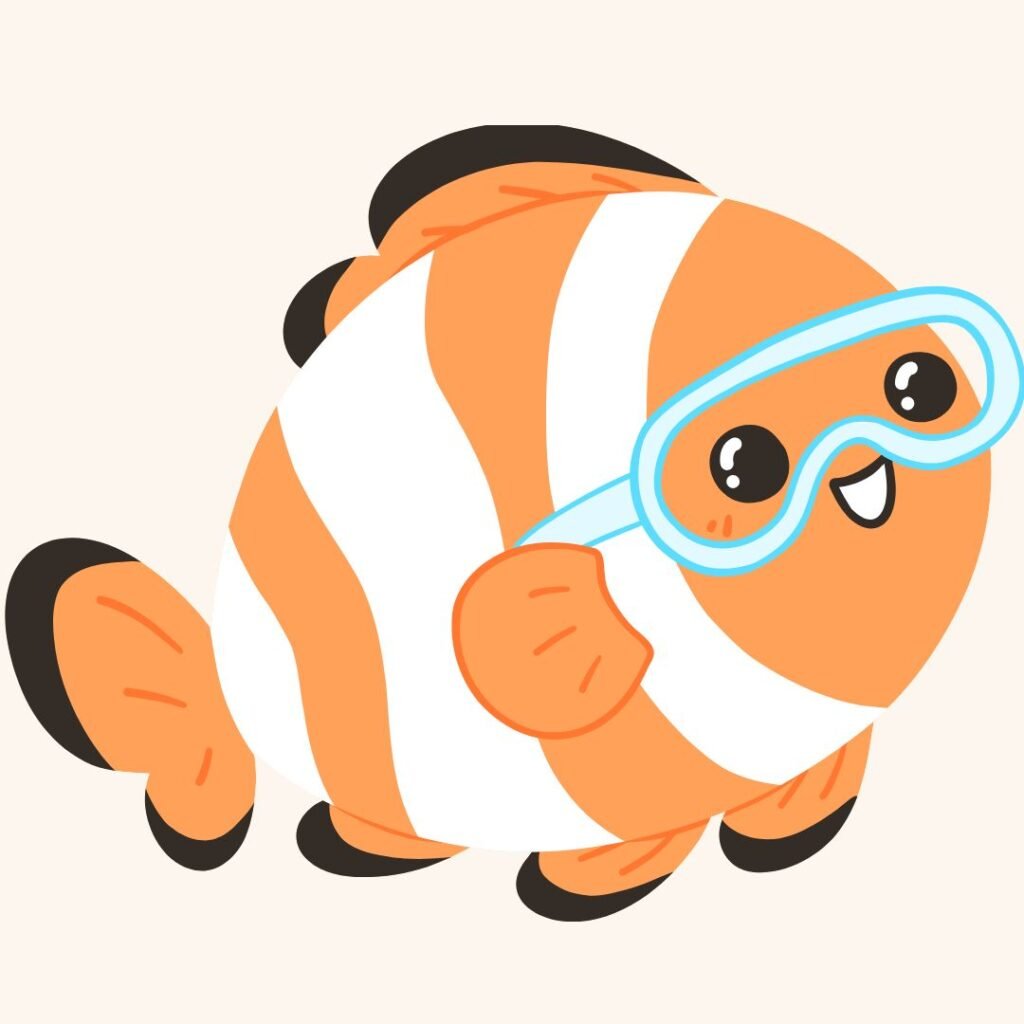
| 20 points | Clownfish |
| 50 points | Jellyfish |
| 100 points | Sea turtle |
| 200 points | Baby shark |
| 300 points | Legendary glowing fish |
Coding unlocks can be done using simple variable checks:
if score > 50 then
show jellyfish
end
Kids love watching the aquarium fill with exciting new animals. It feels like running their own underwater zoo.
Start Learning with JuniorCoderz
If your child enjoys building games like this, now is the perfect time to help them level up their skills. At JuniorCoderz, students learn Scratch programming, build fun coding projects, and create their own digital worlds step by step.
They can join online coding classes, book Scratch workshops, or explore our project based learning system that helps kids turn imagination into real working games. Visit https://juniorcoderz.com/ to help your child become a confident young coder who builds adventures, solves problems, and creates stunning games.
Conclusion
Building a Virtual Aquarium Game on Scratch is an engaging way for kids to explore creativity, logic, and design all in one place. They can feed fish, clean tanks, unlock creatures, and build endless adventures made from scratch that reflect their imagination.
Encourage your child to begin their coding journey with fun, interactive projects like this. And if they want structured learning, expert guidance, or exciting challenges, JuniorCoderz is ready to help them dive deeper into coding for kids. Visit the website today and inspire your young creator to make their next big digital masterpiece.
FAQs
What is a Virtual Aquarium Game?
A Virtual Aquarium Game is a Scratch project where kids design fish, backgrounds, and interactions like feeding, cleaning, and unlocking sea creatures.
Is this project good for beginners?
Yes. It is ideal for beginner coding games because it uses simple blocks and encourages experimentation.
Can kids create their own fish designs?
Absolutely. Kids can draw fish directly in Scratch or import images to customize their aquarium.
How long does it take to build this game?
Most kids complete the basic version in one or two sessions, but expanding the game can take as long as they wish.
Does this help kids learn coding?
Yes. Kids build real logic skills, problem solving abilities, and creative thinking through Scratch programming.